Online Islamic Studies Classes for Kids
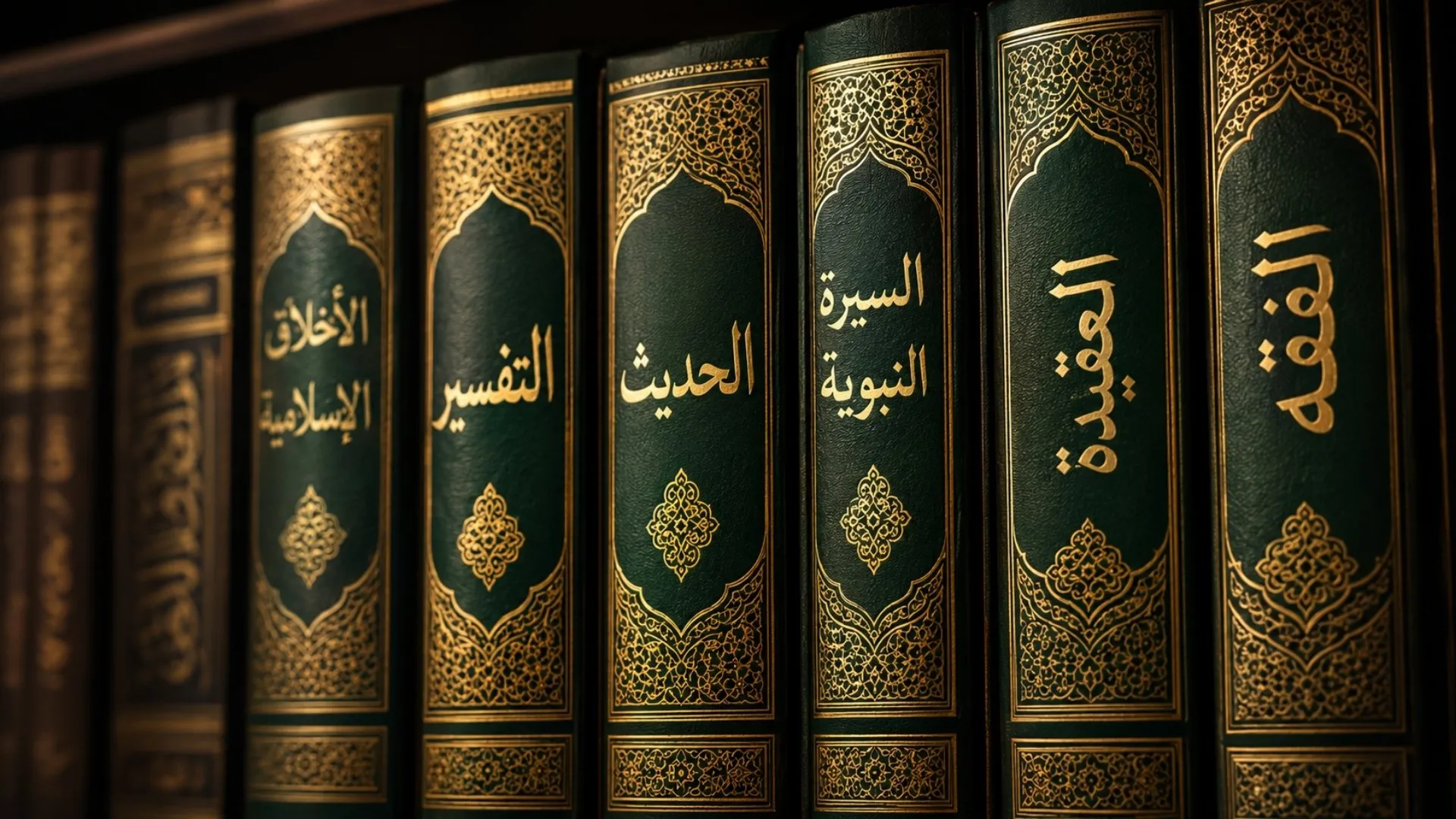
Core Islamic knowledge for children — Fiqh, Aqeedah and essential teachings presented clearly and age-appropriately, in live online lessons with a teacher.
- Live online teaching
- Fiqh, Aqeedah & Sunnah
- Flexible study arrangements
WhatsApp opens with a message ready to edit. Press Send there so we receive your inquiry.
Who this program suits
Islamic Studies is built around core knowledge rather than a single skill, so children join it from different starting points. It may suit your child if any of the following sounds familiar.
New to structured learning
Your child is ready to begin learning about the pillars of Islam, iman and daily duas in a steady, teacher-led way, but hasn’t had structured lessons before.
Building on what they know
Your child already knows some duas or basics at home and is ready to go deeper — understanding the reasoning behind practices, not just repeating them.
Preparing for more advanced study
Your child has a foundation in Islamic knowledge and is ready for age-appropriate Fiqh and a broader, more structured curriculum.
What your child will learn
These are confirmed learning areas within the program, not a fixed week-by-week timetable — the teacher adapts pacing and emphasis to the student.
Pillars of Islam & Iman
The foundations of belief and practice, explained in a way children can understand and connect to their daily lives.
Daily duas & Sunnah
Everyday supplications and prophetic practice, learned and practised so they become a natural part of routine.
Age-appropriate Fiqh
Core rulings introduced at a level suited to the child, with teaching that covers the four madhhabs.
Character & manners
Everyday akhlaq woven into lessons alongside the knowledge itself, not treated as a separate add-on.
How online learning works
Lessons are live, so the teacher can explain, ask questions, and respond to what your child already understands rather than working from a fixed script. Because Islamic Studies covers several subject areas, the teacher can also adjust which topics get more time based on your child’s interests and questions.
A study plan that fits the student
Lesson length, frequency and study arrangements are discussed according to the teacher, subject and student’s needs. Share your child’s current knowledge, learning goals and preferred times on WhatsApp, and we’ll discuss a suitable arrangement rather than placing every learner into the same schedule.
How parents can help
Islamic Studies naturally continues at home — a dua practised together, a question about a ruling, a conversation about character. You don’t need to teach the material yourself; ask the teacher which areas to reinforce, keep conversations encouraging, and let the teacher know what your child is curious about. If you’d like guidance on supporting learning at home more broadly, our guide to practising Arabic letters at home covers similar principles that apply here too.
Islamic Studies, Islamic Manners, or Prophets’ Stories?
These are three separate programs, and it’s common for parents to ask which one fits. Here’s the real difference between them.
Islamic Studies
Core Islamic knowledge: the pillars of Islam and iman, daily duas and Sunnah, and age-appropriate Fiqh covering the four madhhabs.
Islamic Manners
Teaches the Sunnah of daily conduct, etiquette and character building through practical, age-appropriate lessons — a focused program on behaviour rather than broader knowledge.
Prophets’ Stories
Brings the lives of the Prophets to children through engaging, narrative-based learning that builds love, wisdom and moral grounding.
Not sure which is the right starting point? See all our programs or tell us about your child on WhatsApp and we’ll help you choose.
Questions parents ask
What age is Islamic Studies for?
The published program is for children ages 4 and above. Readiness and current knowledge also matter — tell us about your child rather than relying on age alone to choose a starting point.
Does Islamic Studies cover a specific madhhab?
Fiqh within the program is taught at an age-appropriate level and covers the four madhhabs. If your family follows a particular madhhab, mention this on WhatsApp so it can be taken into account.
Is this the same as Islamic Manners or Prophets’ Stories?
No. Islamic Studies covers core knowledge — Fiqh, Aqeedah, duas and Sunnah. Islamic Manners focuses specifically on daily conduct and character, and Prophets’ Stories is a narrative-based program about the lives of the Prophets. Ask us if you’d like help choosing between them.
How long are lessons, and how often will my child study?
These arrangements are flexible and depend on the teacher, subject and student’s needs. We discuss suitable study arrangements with you individually.
Do I need Islamic knowledge myself to support my child?
No. The teacher leads the knowledge-based content; your role is encouragement and practising what your child learns together, such as a dua or a point of good character.
What should I include in my WhatsApp message?
Your child’s age, what they already know or practise, your main goal for this program, and preferred study times are useful starting points.
Let’s find a suitable starting point
Tell us about your child’s current knowledge and what you’d like them to learn. We’ll discuss the program and flexible study arrangements with you on WhatsApp.
WhatsApp opens with a message ready to edit. Press Send there so we receive your inquiry.